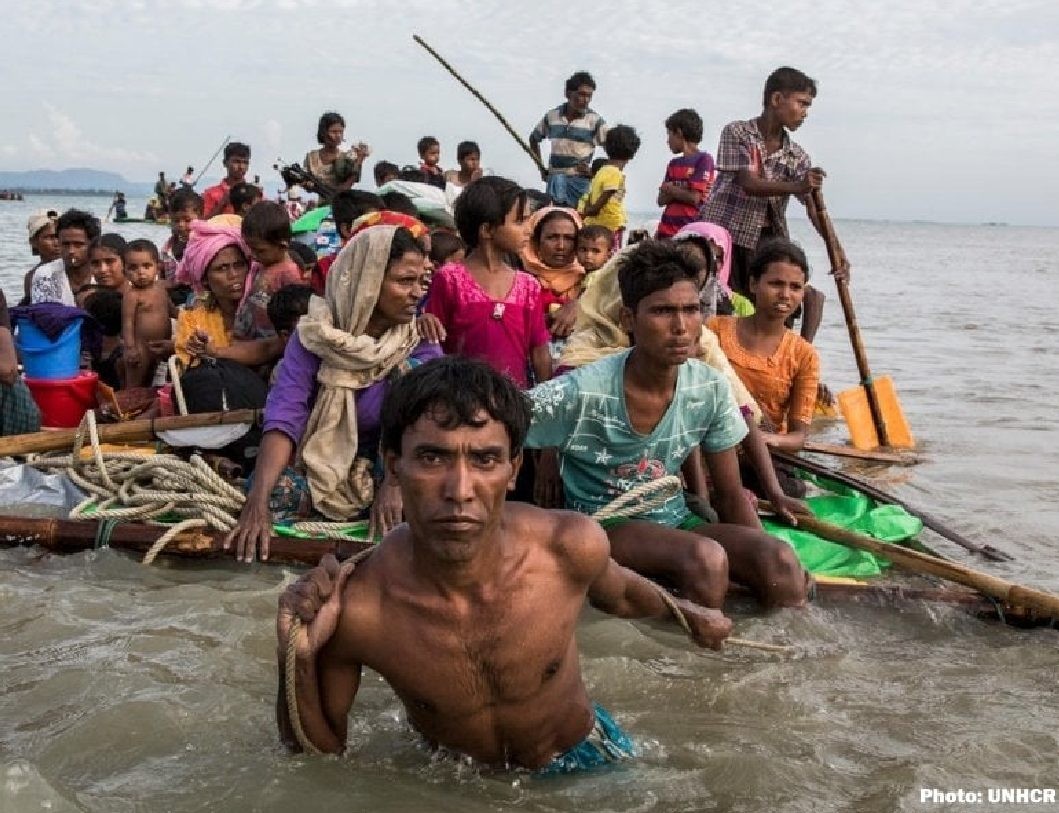
Innovision identifies that the Rohingya Refugee crisis is a large, protracted challenge that requires a transition from short-term relief to long-term sustainable solutions. During the Bangladesh Miracle webinar, experts highlighted that while Bangladesh has shown immense success in its humanitarian response over 50 Years, the complexity of the current situation demands proactive planning. Currently, over 1 million refugees reside in Cox's Bazar, creating significant pressure on local infrastructure and the environment, including widespread deforestation.
Innovision advocates for legalizing the work scope for refugees to prevent labor exploitation and boost the local economy. Recommendations include promoting digital livelihoods, such as data entry and web services, and implementing vocational training to prepare the youth for post-refugee life. On Bhasan Char, creating economically active societies through job and business opportunities is essential to reduce total dependency on external relief.
To ensure a resilient future, Innovision recommends doubling down on restoration activities, specifically reforestation and the rehabilitation of the fishing industry in Cox’s Bazar. By improving stakeholder coordination and lifting restrictive humanitarian barriers, Bangladesh can better manage the vulnerabilities of women and girls while maintaining its international standing as an exemplar of crisis response.
Read the full report here: Link
.png)