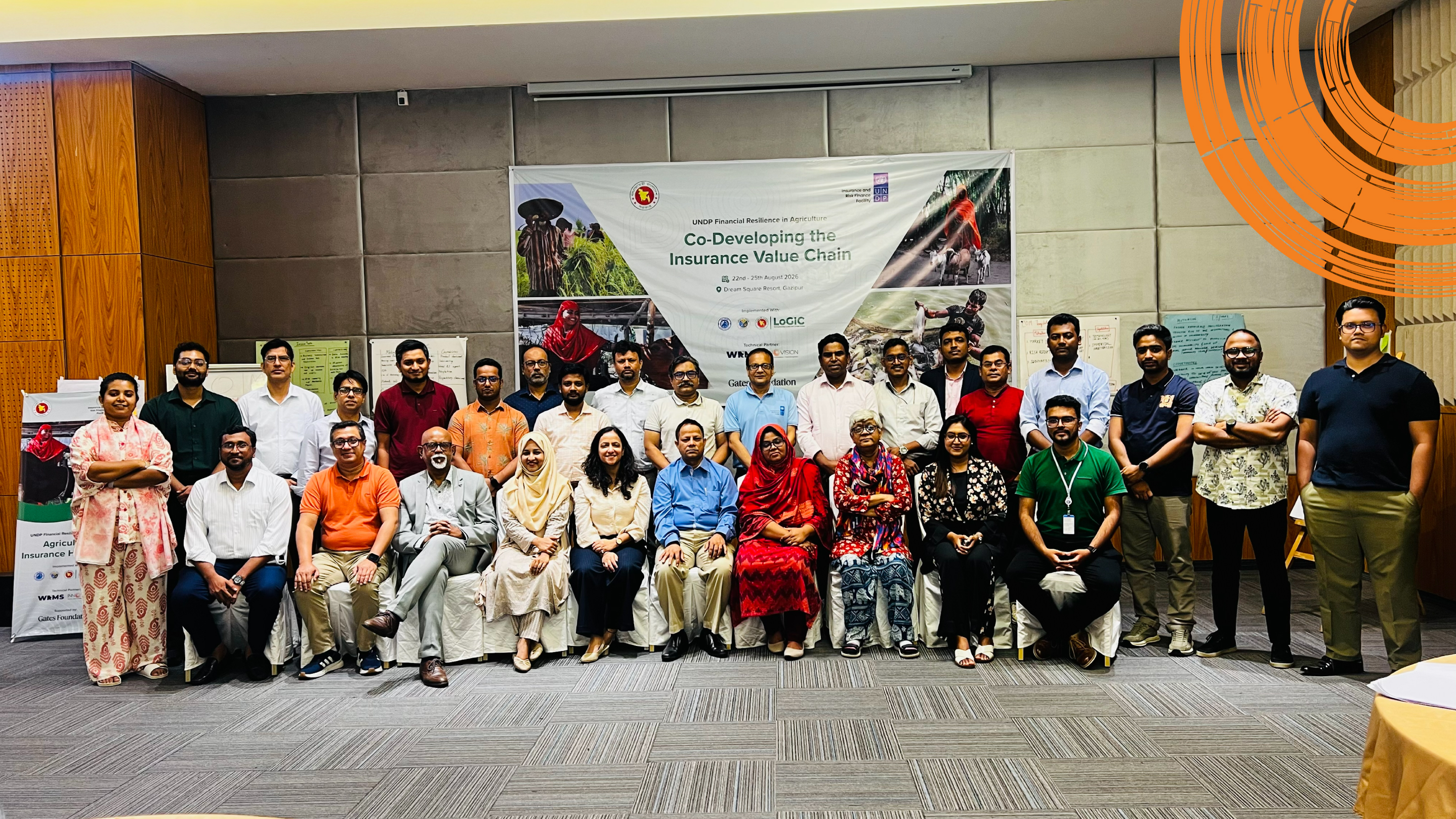
From 23 to 25 August, around 50 representatives from Bangladesh's insurance industry, government departments, agritech companies and development organisations spent three days in Gazipur working out how climate risk insurance could be made to work for the country's farmers, livestock keepers and fishers.
The problem they came to solve is a familiar one. A single flood can wipe out a season's rice crop. A cyclone can destroy a fish enclosure built over several years. Disease can take a herd in weeks. Most affected households absorb the loss themselves, selling assets or borrowing at high interest to recover. Insurance exists to prevent that kind of collapse, but agricultural insurance is still barely available in Bangladesh.
Building the market is difficult for technical reasons. An insurer cannot price a policy without knowing how often floods hit a district and what they destroy, and that history sits scattered rather than in one usable dataset. A product built for a rice farmer will not fit a shrimp farmer or a fishing boat owner. Even a sound policy is worthless without a practical way to sell it in a remote area and pay out quickly. Each problem belongs to a different institution, and those institutions rarely work together.
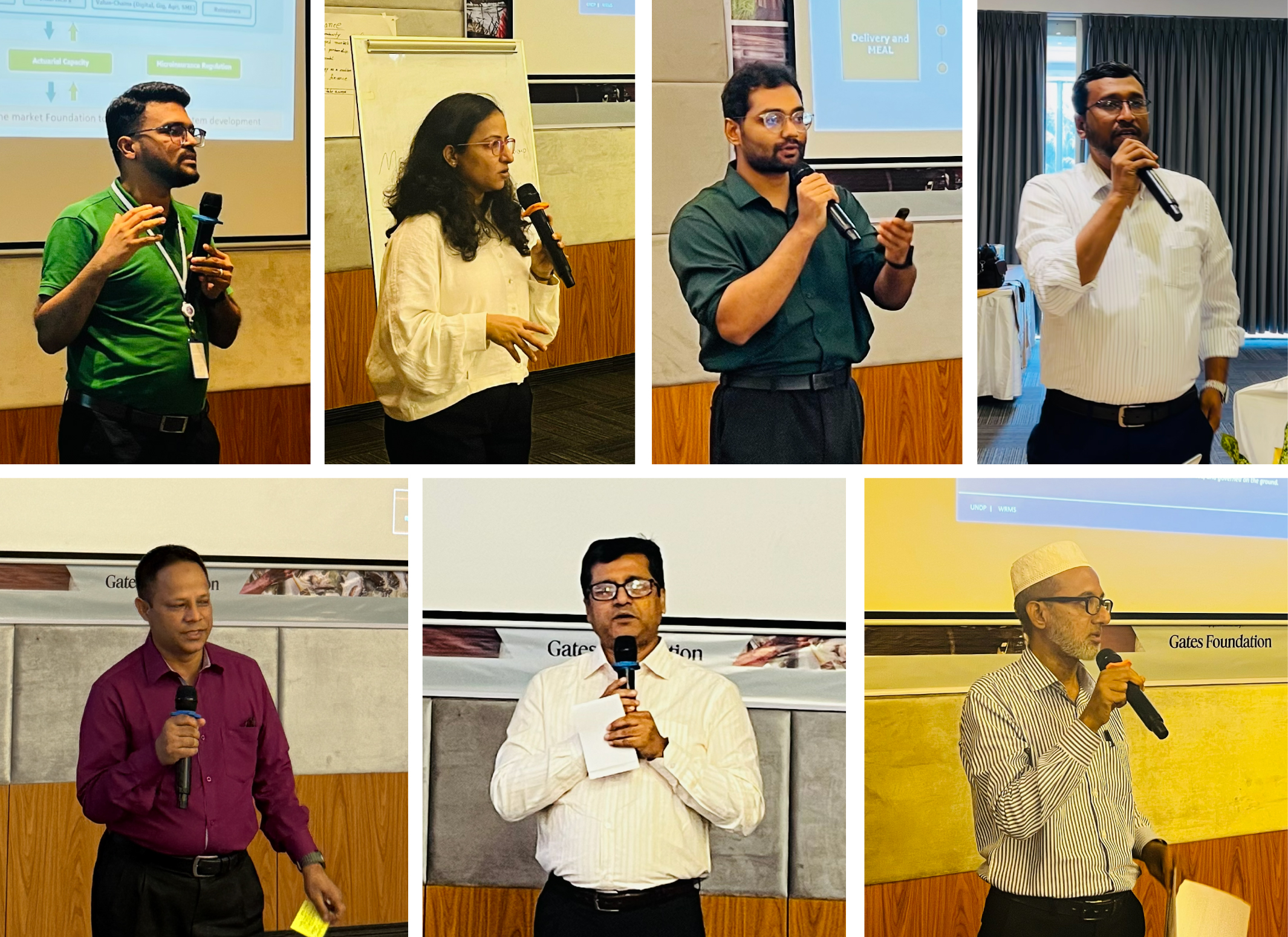
The Financial Resilience in Agriculture (FRA) Initiative was set up to change that. Rather than commissioning a product and handing it over, it runs hackathon workshops that bring insurers, government data holders, technology firms and development partners together to design products jointly. The second, "Co-developing the Agricultural Insurance Value Chain," was held at Dream Square Resort and hosted by UNDP Bangladesh, Innovision Consulting and Weather Risk Management Services (WRMS).
The first workshop, held on 21–22 June, mapped where coverage was most urgently needed. This one turned to how it would be built, across five value chains: crop, livestock, aquaculture, mariculture and marine assets.
The three days traced the journey an insurance product must complete before reaching anyone.
Participants began with risk, learning to measure the flood, cyclone, disease and weather exposures facing each sector, and how those measurements convert into a premium a farmer can afford and an insurer can sustain. Sessions drew on real figures from the aquaculture, mariculture, marine assets, fisheries and crop sectors.
Attention then moved to design, with groups matching insurance structures to how each value chain actually operates, since a coastal shrimp operation carries little resemblance to an inland dairy herd. The final stage dealt with delivery: how policies could reach smallholders through networks Bangladesh already has, and what it would take to pay claims quickly once disaster strikes.
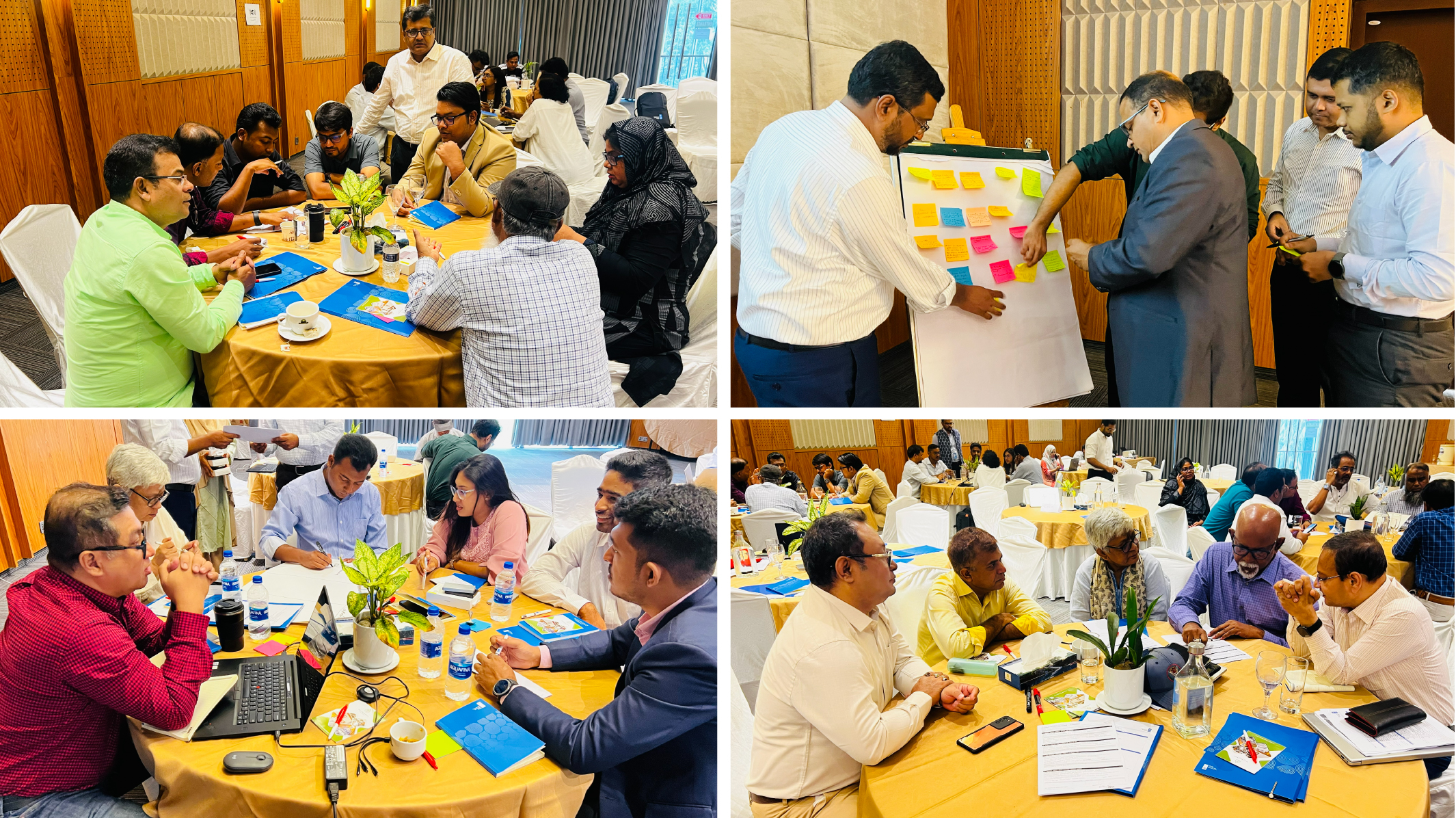
Government officials, insurers and InsurTechs came away sharing a common technical vocabulary across risk, pricing, product design, distribution and monitoring, so future discussions can start from substance rather than definitions. Anchoring sessions in verified data also gave every institution the same factual baseline.
Each of the five value chains ended with initial product concepts and a candid assessment of the obstacles to delivering them. Perhaps most durably, insurers, government departments and development partners built working relationships that will carry into the next stages of the series.
Further workshops under the FRA Hackathon series are planned.
The FRA Initiative works to expand access to climate risk insurance for Bangladesh's farmers, livestock keepers and fishers. Its hackathon series brings government, insurers, technology providers and development partners together to co-develop insurance products suited to the country's agricultural and coastal economies.
.png)