Despite having one of the youngest populations in the world, Bangladesh is facing a deepening workforce crisis, one that has less to do with the availability of jobs and more to do with which jobs society deems acceptable. With over 84% of the workforce trapped in informal employment and youth unemployment sitting at 16.8%, one of the highest rates in South Asia, the country is grappling with a labour market distorted not just by economics, but by deeply embedded social norms.
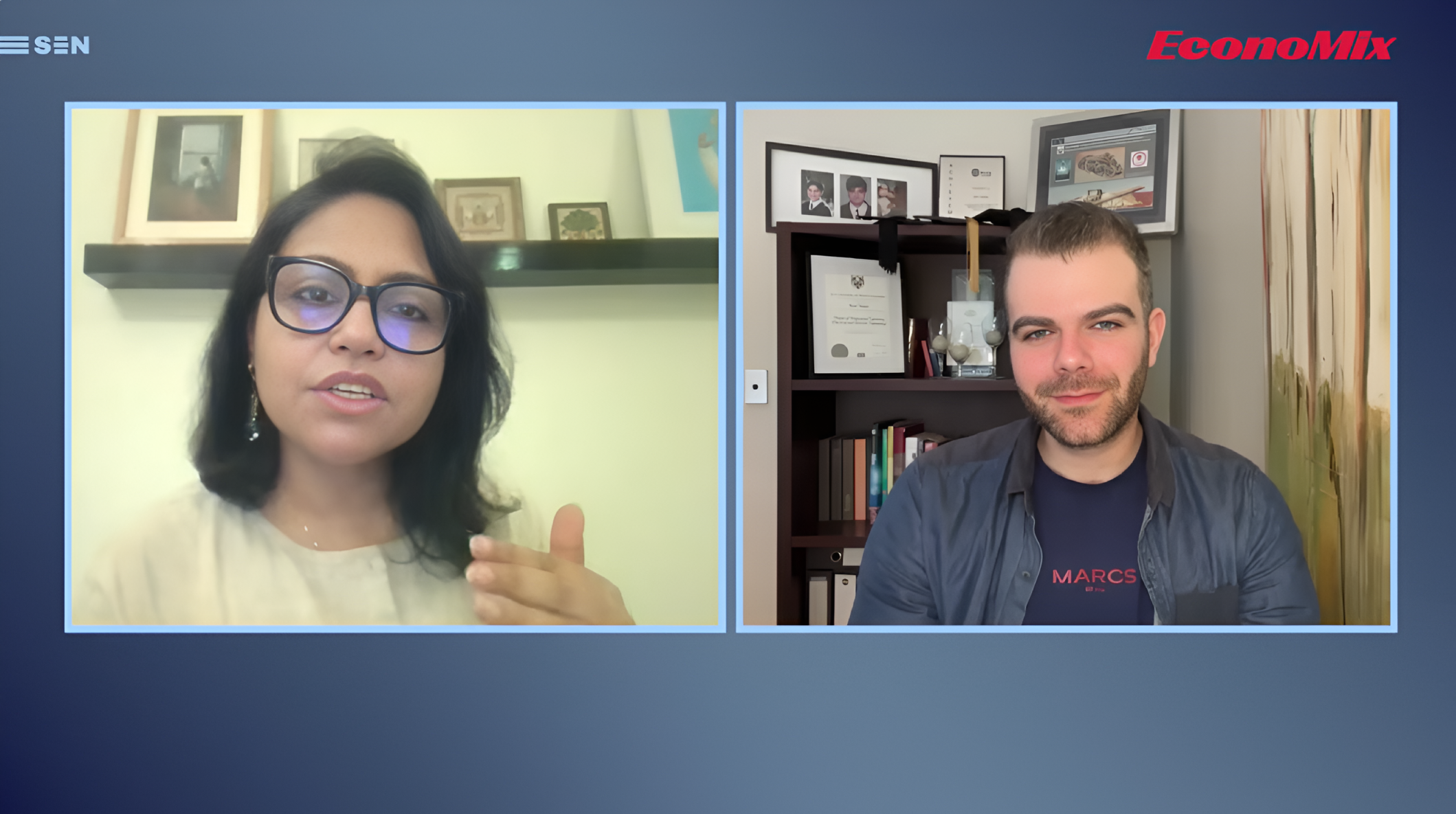
In a recent in-depth interview titled "The Job Stigma Crisis | Why Social Status is Killing Bangladesh's Economy? | EconoMix | EP 09", hosted by South Era Network (SEN), our Portfolio Advisor on Inclusive Growth, Tasmiah Rahman, joined the discussion to unpack how job stigma, class structures, and cultural expectations are quietly shaping and constraining Bangladesh's economic future.
The conversation explored why millions of young Bangladeshis are making career decisions based not on skill or opportunity, but on family reputation and social respectability. Key themes included:
The discussion also highlighted the need for national narrative campaigns, school-based career dialogue programmes, and care ecosystem reforms that recognise unpaid work, drawing lessons from countries like Vietnam and Indonesia that have successfully mainstreamed technical vocational education.
As Bangladesh stands at a critical turning point, a key question remains: can a shift in how society values work unlock a new era of economic growth, or will aspiration mismatch and status anxiety continue to hold the country back?
🎥 Watch the full discussion: South Era Network (SEN) – The Job Stigma Crisis | Why Social Status is Killing Bangladesh's Economy? | EconoMix | EP 09
.png)