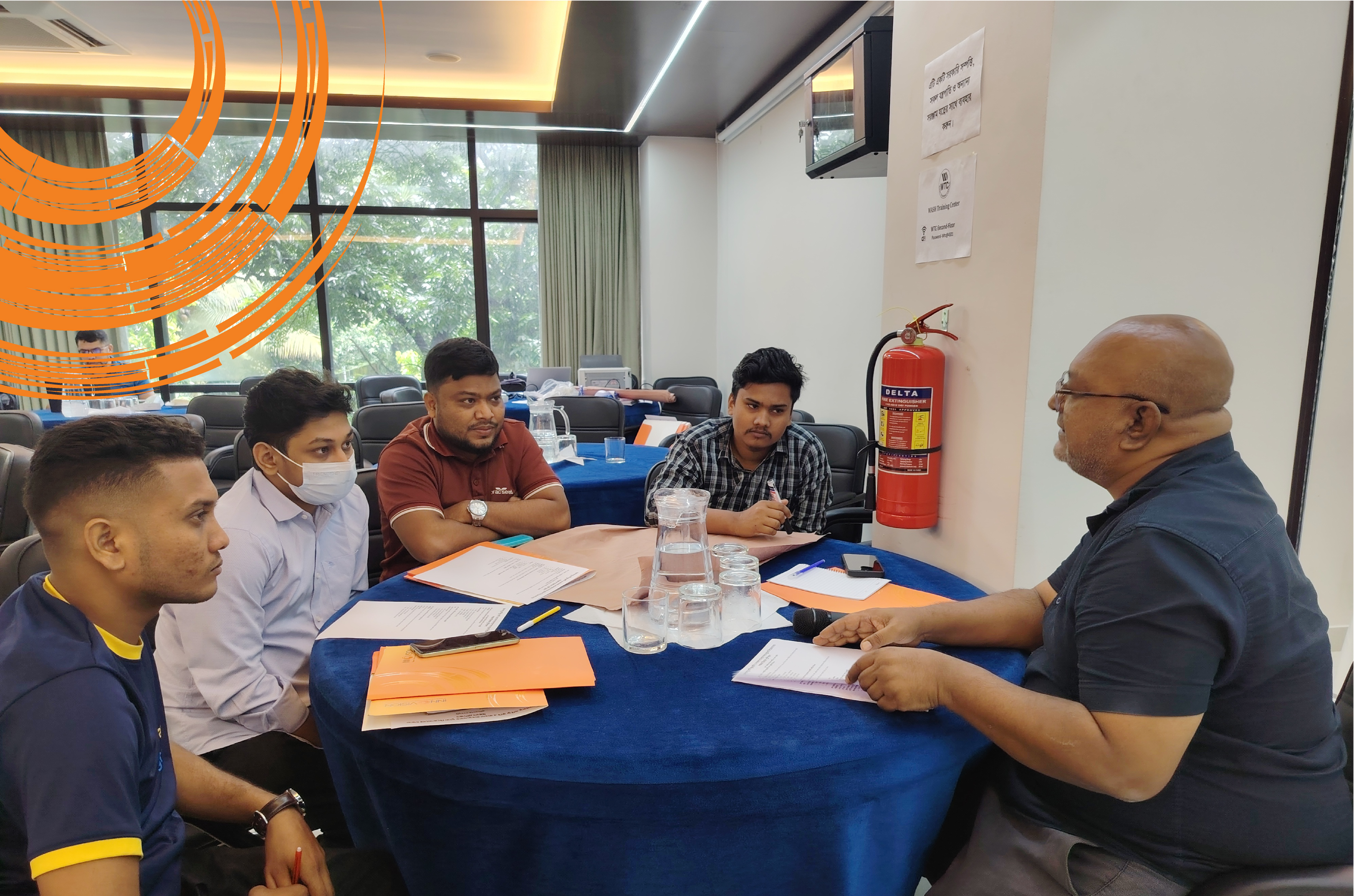
When a farmer in Cox's Bazar needs advice on which seed to plant, which feed to buy or how much fertiliser to apply, the first person they ask is often not an extension officer but the retailer behind the shop counter. Yet agricultural development programmes have rarely treated retailers as part of the solution. Under the ISEC project, 112 agro-input and agro-output retailers from Cox's Bazar Sadar, Ramu and Teknaf have now completed a two-day training designed to change that.
Innovision Consulting is partnering with the International Labour Organization (ILO), funded by Global Affairs Canada, to strengthen agricultural market systems across five value chains, poultry, fish, maize, and commercial and gourd vegetables, through the ISEC project. Delivered in four batches, the Retailer Training exceeded its target of 100 retailers.
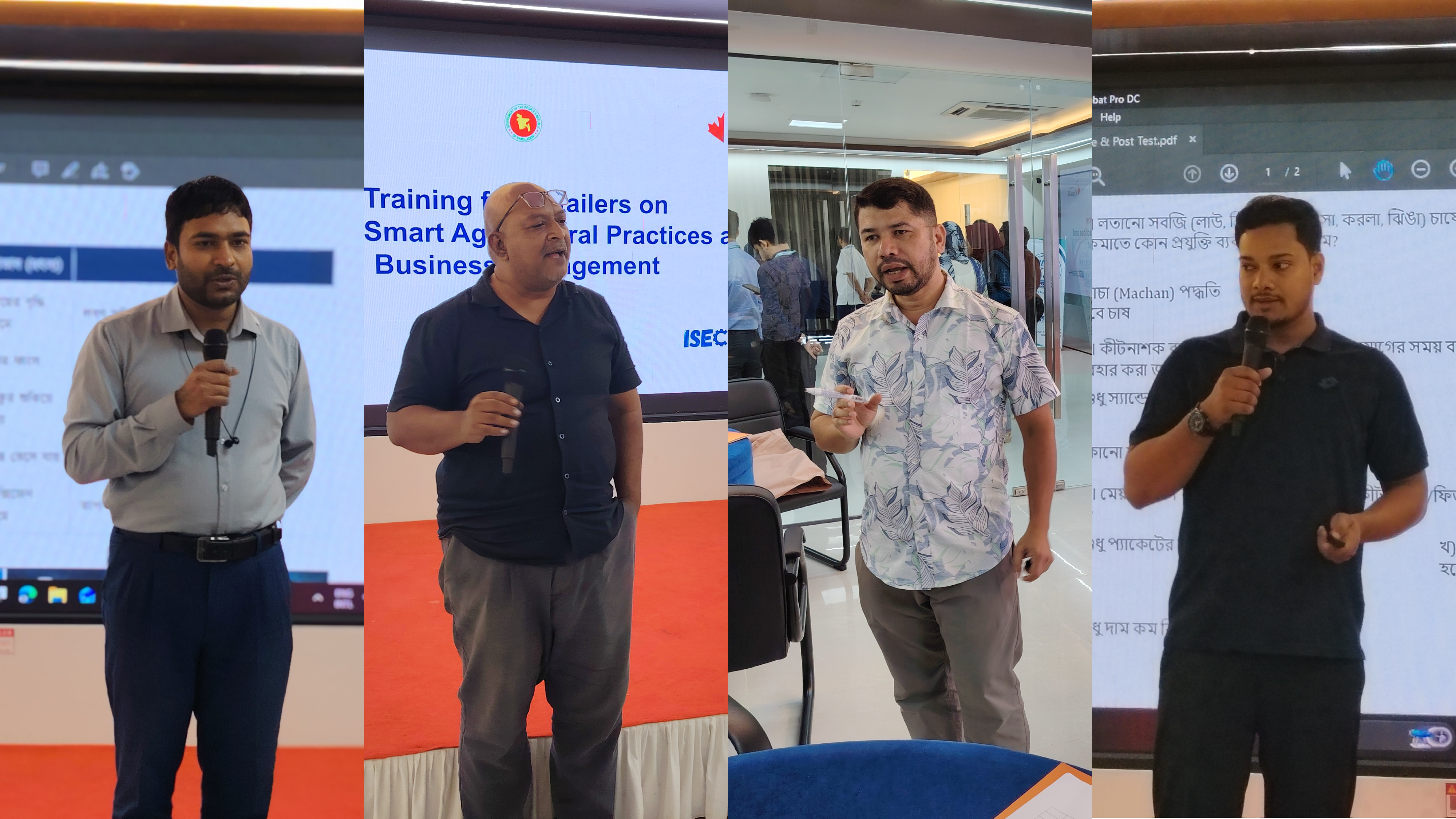
The first day focused on the retailer's role as an advisor. Sessions covered entrepreneurship, climate-smart product knowledge, customer advisory services, Occupational Safety and Health (OSH) and decent work, Gender Equality and Social Inclusion (GESI), and market development. The second day turned to running the business itself: business management, inventory and cash-flow management, and digital inclusion, with retailers onboarded to the Folon App. Delivered in Bangla and the local dialect through case studies, group discussions and roleplays, the sessions were built around situations retailers face every day.
Each batch was co-facilitated by officers from the Department of Agricultural Extension (DAE), Department of Fisheries (DoF) and Department of Livestock Services (DLS), alongside private sector partners ACI Seed, ACI Godrej, Ispahani Agro, EON Animal Health and ACSL.
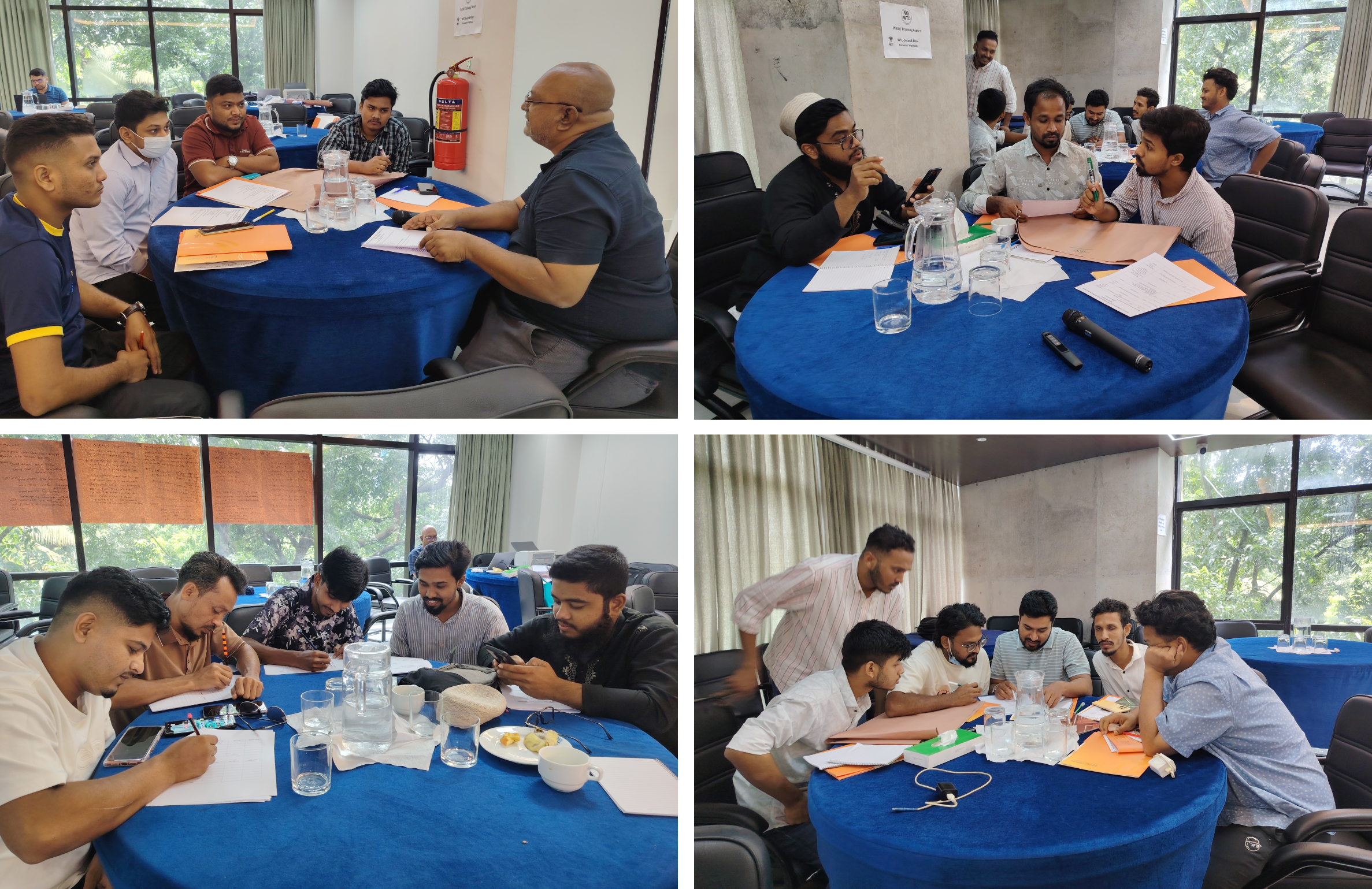
The format created connections that rarely form on their own. Private sector partners noted that small community-level retailers are difficult to reach through regular business activities, and that the training gave them a direct way to build those relationships, with at least one partner receiving a product order during the sessions. Government officers, who usually interact more with larger retailers, valued the chance to meet those most directly linked to farmers, and highlighted the OSH content as essential for retailers who handle pesticides, feed and other inputs daily.
One of the clearest shifts came from the GESI session. Many retailers had not recognised that roughly half of agricultural input purchasers are women. Several described this as a business opportunity rather than only an inclusion principle, and said they would give women farmers and customers more attention in their shops.
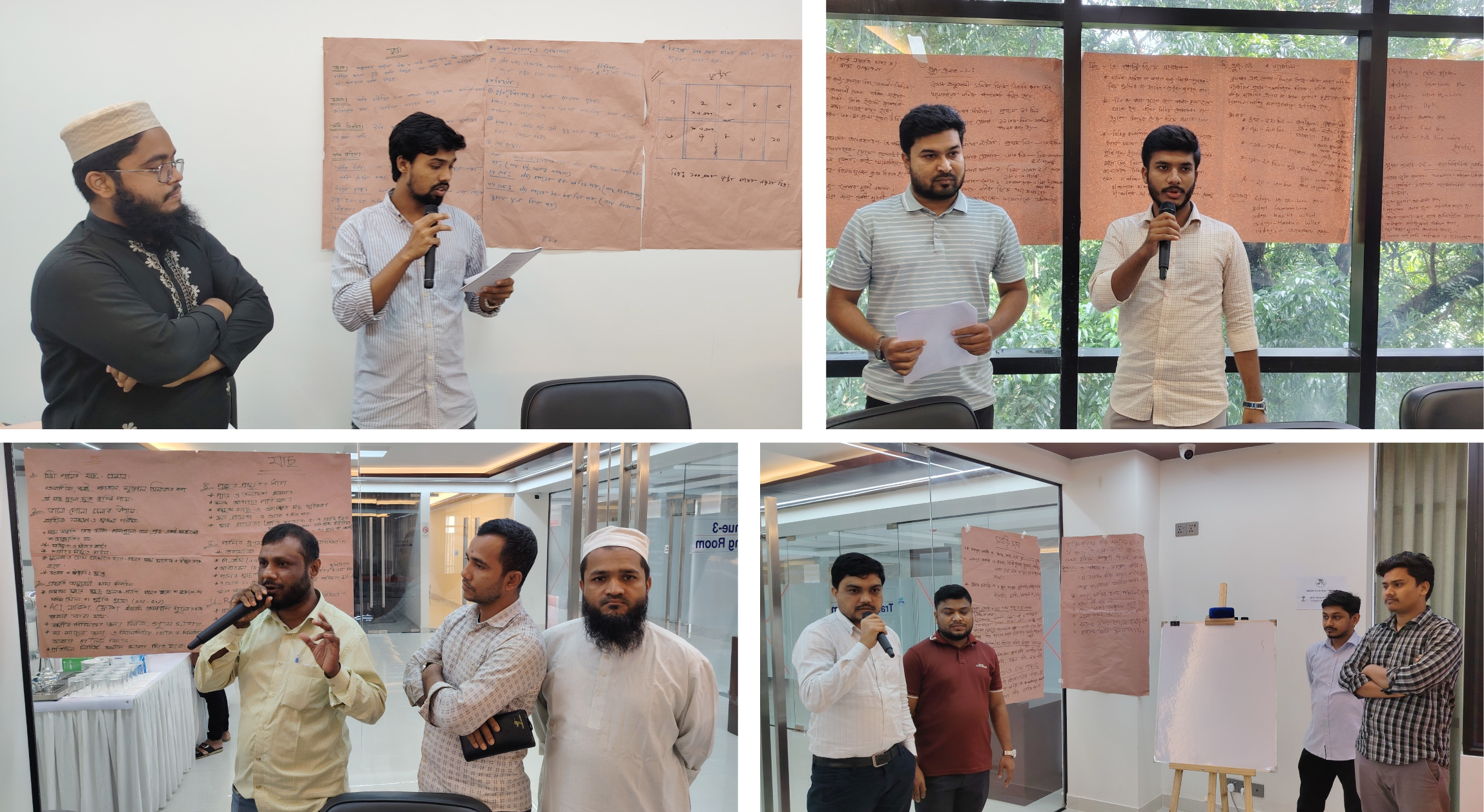
Average knowledge scores rose from 70% before the training to 90% after. Participants rated the OSH and business planning content highly, and many asked for more time on business planning in particular. By strengthening the retailers farmers already rely on, the training helps bring reliable inputs and climate-smart advice closer to farming communities across Cox's Bazar.
.png)