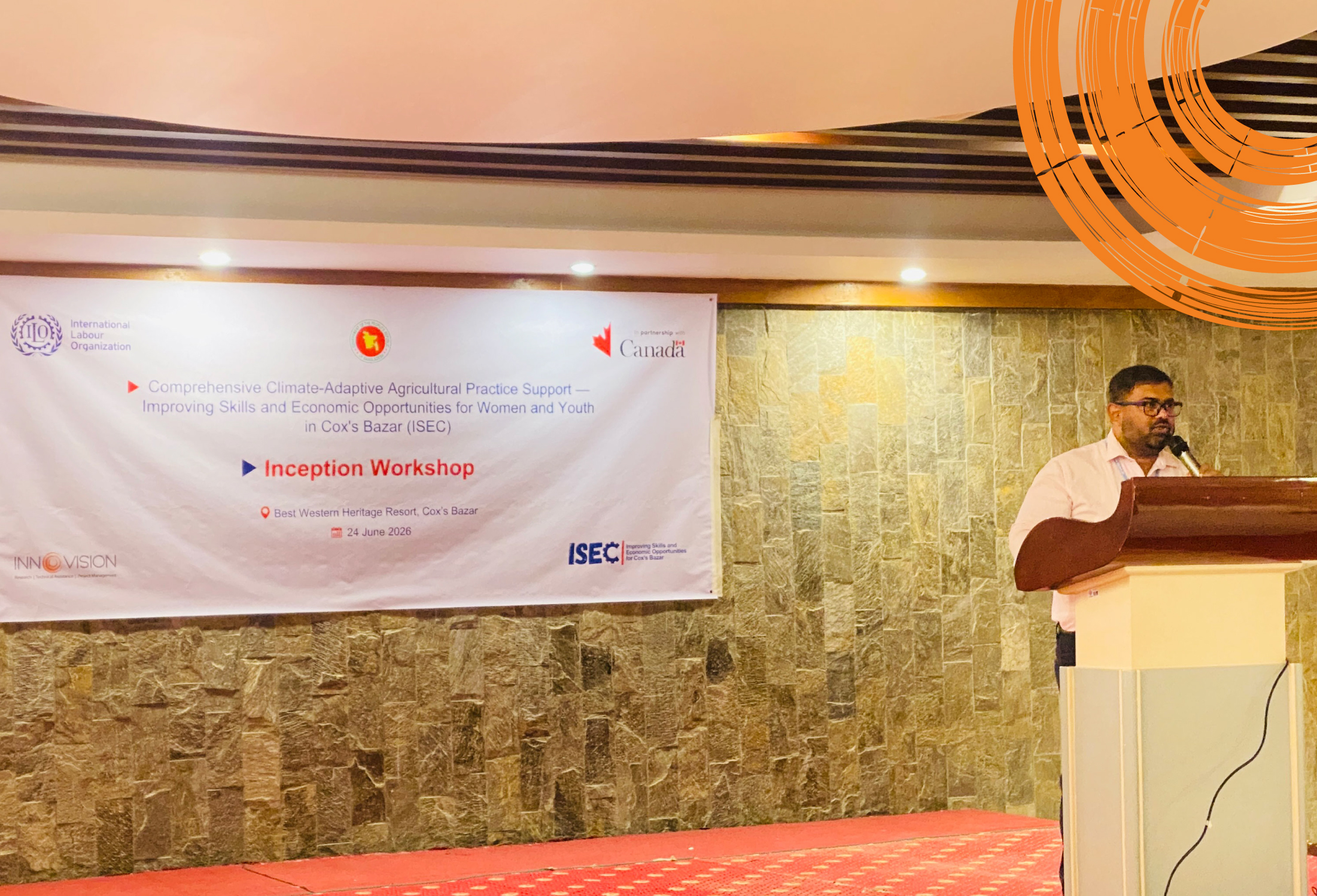
Irregular rainfall and rising salinity have become active constraints on income in Cox's Bazar's agricultural sector, and women and youth are absorbing the largest share of that impact. On 24 June 2026, the Inception Workshop for the Comprehensive Climate-Adaptive Agricultural Practice Support: Improving Skills and Economic Opportunities for Women and Youth in Cox's Bazar (ISEC) Project was held in Cox's Bazar to set the direction for addressing this challenge.
Innovision Consulting is partnering with the International Labour Organization (ILO), funded by Global Affairs Canada, to strengthen agricultural market systems across five value chains, poultry, fish, maize, and commercial and gourd vegetables, through the ISEC project. The workshop convened government departments, development partners, private sector organizations, and community and youth representatives to align on a single implementation strategy for climate resilience and economic opportunity.
Mohammed Naveed Akbar, National Programme Manager for Economics, Livelihood and Enterprise Development at ILO Cox's Bazar, opened the workshop by framing the core problem: without stronger climate-smart agriculture and deeper private sector involvement, farmers facing environmental stress will continue to lack the support systems they need.
Md. Rubaiyath Sarwar, Managing Director of Innovision Consulting, set out the project's response. ISEC's model deliberately pairs public and private capability: government agencies, including the Department of Agricultural Extension (DAE), Department of Fisheries (DoF), Department of Livestock Services (DLS), and Department of Social Services (DSS), sit alongside private sector partners BRAC, ACI Seed, Ispahani Agro Ltd., EON, and ACI Godrej. Neither side, he noted, can deliver climate resilience or market access alone.
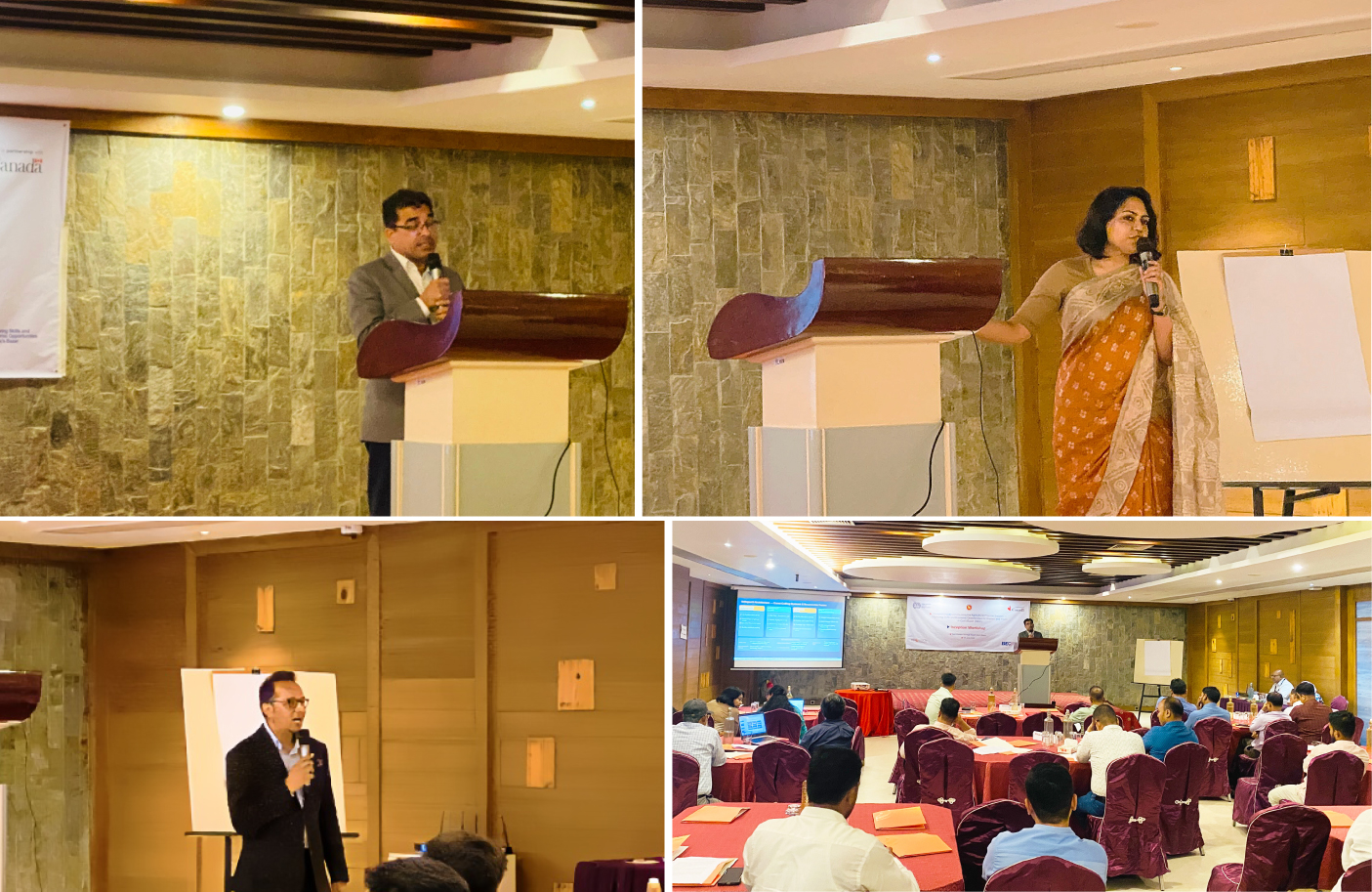
Tasmiah Rahman, Portfolio Advisor of Innovision Consulting, led the session on gender risks and mitigation, making the case that gender and disability inclusion cannot be a downstream consideration. Women and Persons with Disabilities (PWDs) need to be prioritized from the outset, with direct access to finance and safeguarding measures built in to protect against harassment and exploitation.
Abdur Rob, Practice Area Lead - Livelihood, Agricultural Value Chains, DRR, at Innovision Consulting, addressing environmental risks, applied the same logic to environmental design. Excessive pesticide use is already degrading soil fertility and productivity, so the project embeds sustainable farming practices, digital access across agricultural value chains, and Occupational Safety and Health (OSH) training directly into implementation, rather than treating them as separate safeguards.
Government representatives added operational detail from the field. Nixon Chandra Pal, Additional Deputy Director of DAE, confirmed the department's role in agricultural information collection across the targeted upazilas. Sultan Ahomed, District Fisheries Officer, and Dr. Md. Showkot Ali, Upazila Livestock Officer, both pointed to salinity and climate stress as active constraints on fish farming and livestock enterprise, particularly for women-led operations. Saha Newaz Mitu, Deputy Director of the Department of Social Services, tied the project's success to access to social protection and microfinance for disabled and vulnerable groups. Dr. Aziz of ACI Godrej confirmed private sector commitment, citing climate-resilient poultry farming as a near-term opportunity.
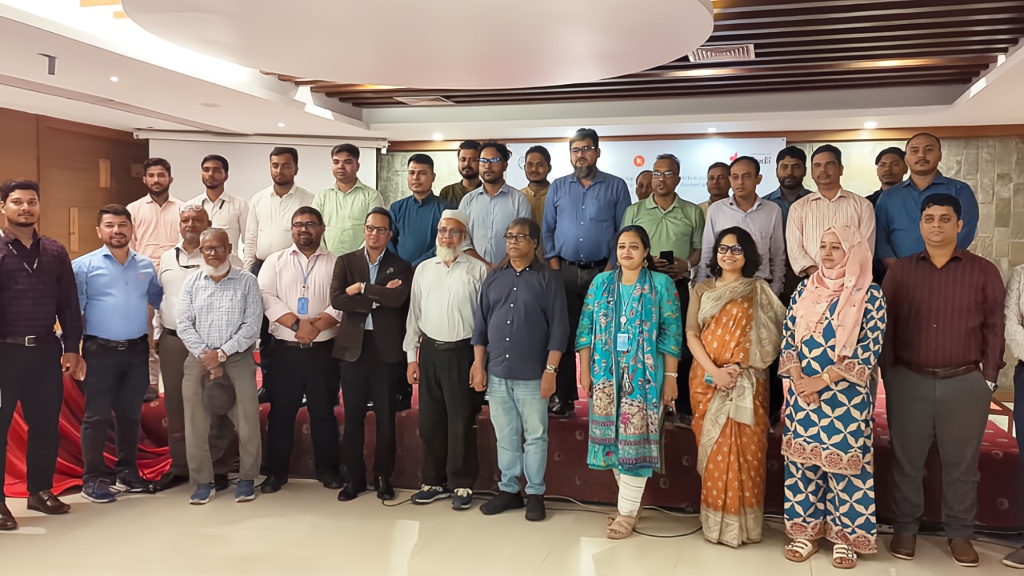
The workshop closed with an open discussion and a shared commitment from stakeholders to work together on implementation. ISEC will operate across four upazilas in Cox's Bazar, with defined targets of at least 160 women and 12 Persons with Disabilities (PWDs) as direct beneficiaries. Capacity building, technical support, and multi-stakeholder coordination are the three levers the project will use to convert this coalition into measurable outcomes for women and youth in the region.
.png)