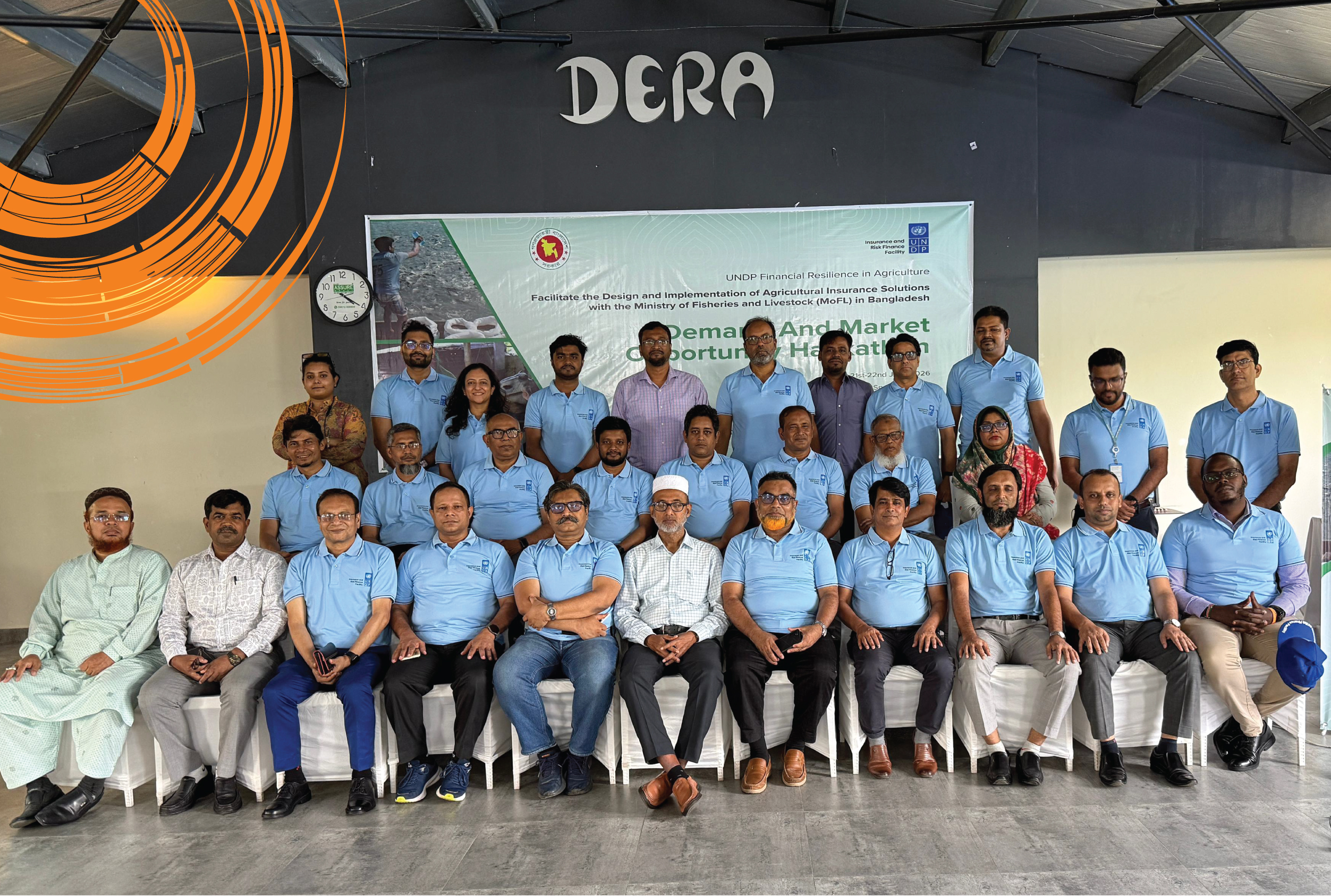
Bangladesh's farming and fishing communities face a compounding set of risks: climate shocks, livestock disease outbreaks, and volatile incomes, with little access to reliable financial protection. Addressing this gap requires more than policy intent. It demands market-ready solutions built on ground-level evidence and institutional buy-in.
On 21-22 June 2026, Innovision Consulting brought that process to life.
Under the Financial Resilience in Agriculture (FRA) initiative, implemented in partnership with the United Nations Development Programme (UNDP), Innovision organized a two-day Demand and Market Opportunity Hackathon in Dhaka. The event convened 18 senior officials from the Department of Fisheries (DoF) and the Department of Livestock Services (DLS) to co-design the demand architecture for agricultural insurance products tailored to Bangladesh's fisheries and livestock sectors.
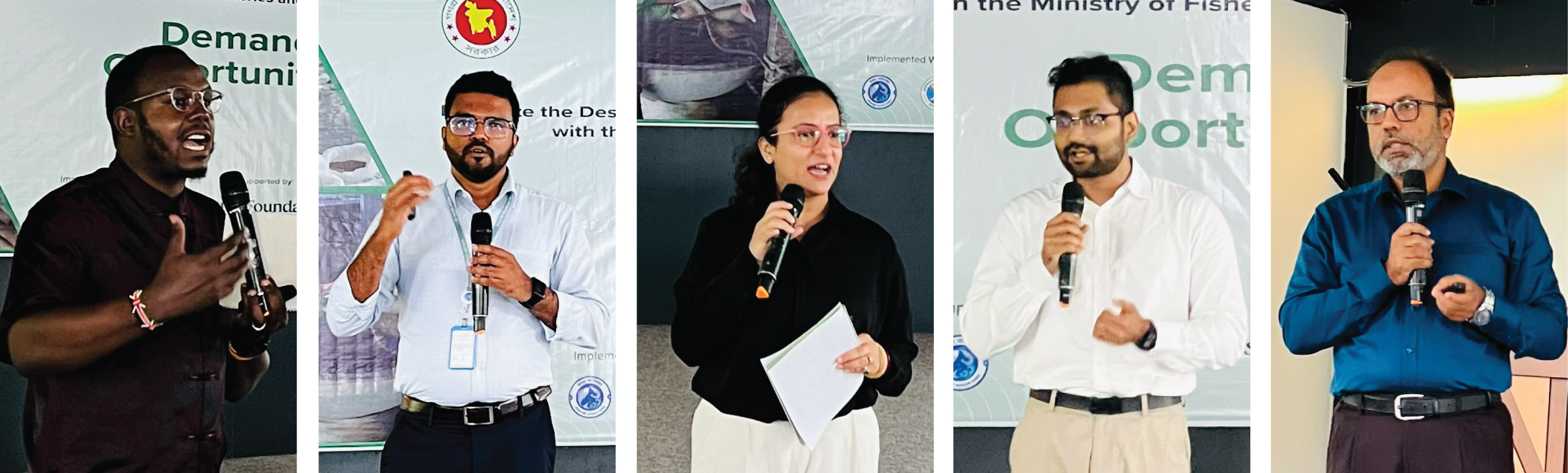
Agricultural insurance in Bangladesh has long struggled with a fundamental market failure: insurers lack the granular, sector-specific demand data needed to price and structure viable products, while farmers and fishers remain underserved and financially exposed. Bridging this gap requires a deliberate process of demand signal generation, one that draws on institutional knowledge, field-level evidence, and structured market analysis.
The hackathon was designed precisely for this purpose.
The first day focused on establishing a shared evidence base. Participants reviewed existing fisheries and livestock sector data, identified critical gaps in data collection, and surfaced field-level realities from across the country, including perspectives from District Fisheries Officers representing Patuakhali, Cumilla, Bogura, Mymensingh, and Bagerhat.
Technical sessions introduced the Weather Risk Management Services (WRMS) framework and situated it within the broader landscape of climate and agricultural insurance. From there, participants moved into collaborative group exercises to develop demand signal tools: structured instruments designed to capture the risk profiles, insurance needs, and willingness-to-pay signals of farming and fishing households at the community level.
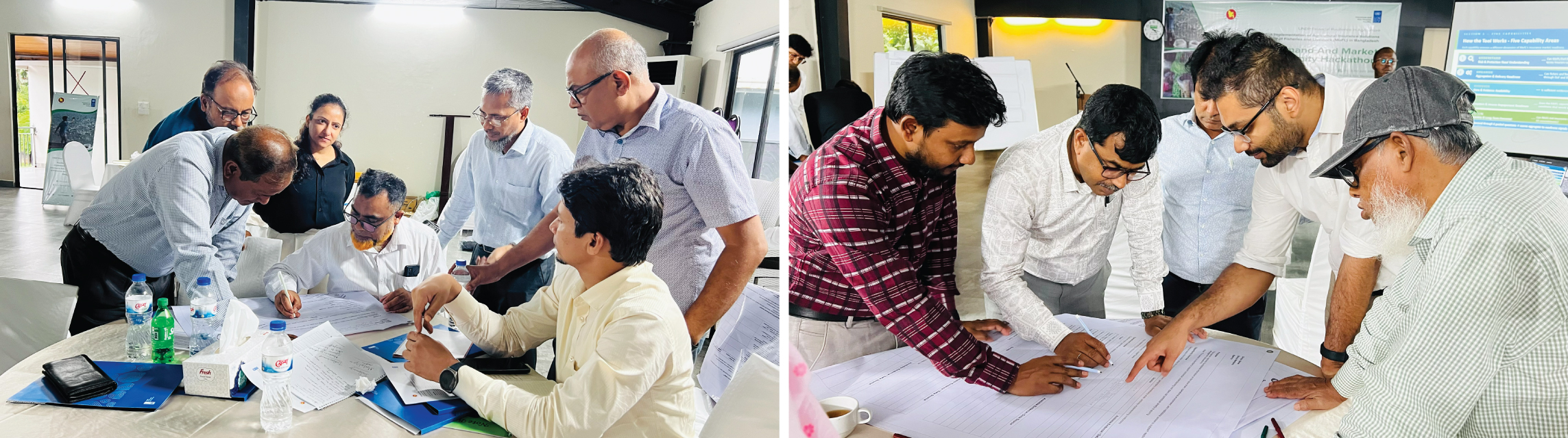
The outputs were presented, stress-tested, and refined through plenary discussion, producing a working draft of sector-specific demand signals to carry into Day 2.
The second day shifted focus from demand mapping to market structuring. Participants validated the consolidated demand signal outputs from Day 1 and worked through targeted group discussions to address remaining data gaps and practical implementation constraints.
A central activity was packaging these outputs into market opportunity briefs aligned with insurer requirements, a critical step in translating community-level risk data into commercially actionable intelligence. Participants also engaged in strategic discussions on the Expression of Interest (EOI) process and the pathway for engaging private and public insurance providers.
The hackathon concluded with agreement on a concrete set of action points and a forward roadmap for advancing agricultural risk financing in Bangladesh, backed by shared commitment from government officials, technical experts, and development partners.
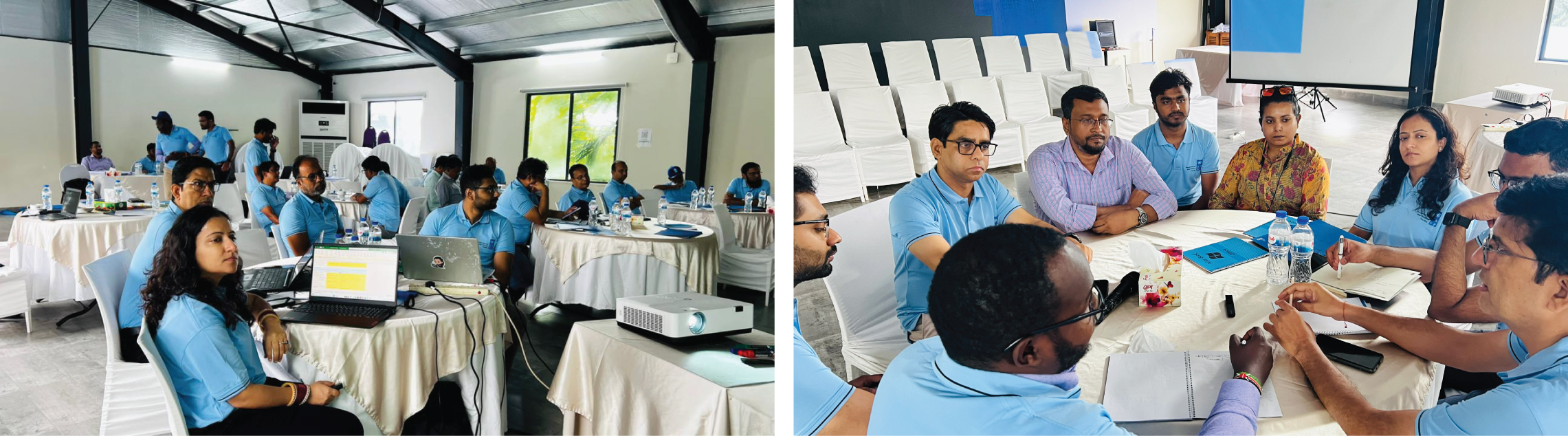
The two-day event generated more than insights. It produced structured demand tools, validated market opportunity outputs, and a cross-institutional coalition aligned on next steps. Critically, it demonstrated that government officials with deep sectoral expertise, when given the right facilitation and analytical framework, can be powerful co-designers of market solutions, not just policy stakeholders.
The outputs from this hackathon will directly inform the design of farmer and fisher-centered insurance products under the FRA initiative, with the goal of reaching communities most exposed to climate and financial risk. The work ahead includes engaging insurers, refining product structures, and building the delivery infrastructure needed to bring these solutions to scale.
Innovision Consulting extends its appreciation to all participants, facilitators, and partners for their contributions to this process. Building resilient agricultural livelihoods in Bangladesh is a long-term endeavor. This hackathon was a significant step forward.
.png)