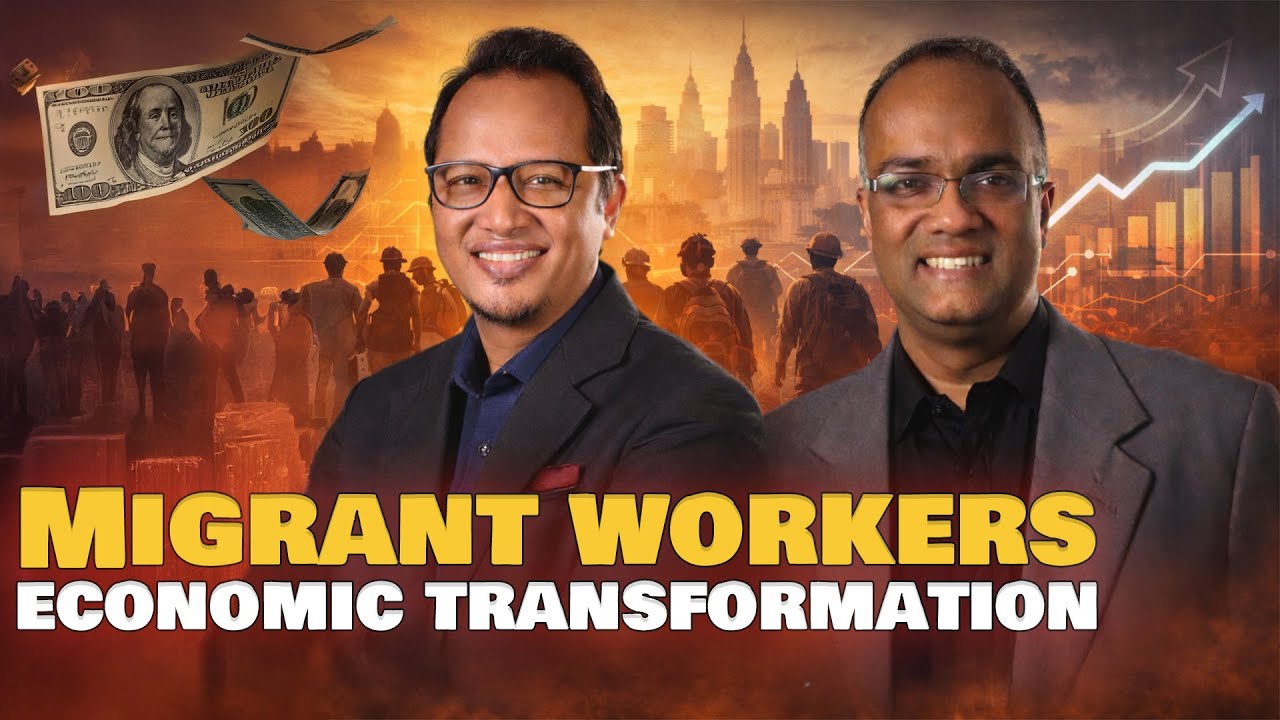
Originally featured on Counterpoint, this episode of J&J’s Fireside | Episode 2 brings together macroeconomist Jyoti Rahman and Md. Rubaiyath Sarwar, Managing Director of Innovision Consulting to examine Bangladesh’s evolving migration and remittance economy from field observations in New Delhi and Riyadh.
The discussion focuses on one of Bangladesh’s most important macroeconomic drivers, remittances, and the structural shifts shaping how they flow, how they are earned, and what they mean for the future of labor mobility.
Bangladesh is currently experiencing a strong rise in remittance inflows through formal banking systems. This shift reflects a broader macroeconomic adjustment, including:
Together, these changes have strengthened balance of payments stability and altered long-standing remittance behaviors.
The episode highlights the lived realities of migrant workers across the Middle East and beyond. Key features include:
Migration continues to function as both an economic necessity and a long-term financial commitment for millions of households.
A central question raised in the discussion is whether Bangladesh can continue relying on low-skilled labor export over the next several decades.
Global labor demand is shifting toward:
This transition requires long-term investment in skills development, language training, and institutional coordination.
Unlike construction-based labor, caregiving requires:
Countries such as the Philippines and Kerala have already established strong global positions in this sector, highlighting the gap Bangladesh must address to remain competitive.
The discussion also explores how soft power influences economic opportunity.
Global perception plays a critical role in shaping:
Cultural presence, representation, and narrative building increasingly function as economic assets in a competitive global environment.
This episode connects migration, remittance systems, and global labor shifts into a broader strategic question.
Bangladesh’s long-term competitiveness will depend on its ability to transition from a labor exporting economy to a skills and capability driven workforce system, supported by coordinated policy, training infrastructure, and global engagement strategies.
.png)